 WeaveWeave
Drag to reveal
Bamboo pergolas, screens, furniture, and pavilions built for the long seasons of Southeast Asia.
Landscape Architects
Statement pieces for residential gardens and resort grounds
Resort Developers
Open-air lobbies and pavilions across Southeast Asia
Discerning Homeowners
Structures that outlast plastic deck sets by decades
The Workshop Floor
Walk through the fabrication process that separates bamboo architecture from bamboo decoration.
The raw material decides everything
We source Moso, Guadua, and Dendrocalamus giganteus from certified highland growers at 3–5 year maturity — the window when tensile strength peaks and moisture content stabilises. Every culm is hand-graded for wall thickness, internode regularity, and grain character before entering the workshop. The ones that don't pass become compost.
Culms are inspected at 12 checkpoints including taper ratio, surface texture, and internal bore diameter. Only 40% of incoming stock reaches fabrication.
Forty-eight hours that determine forty years
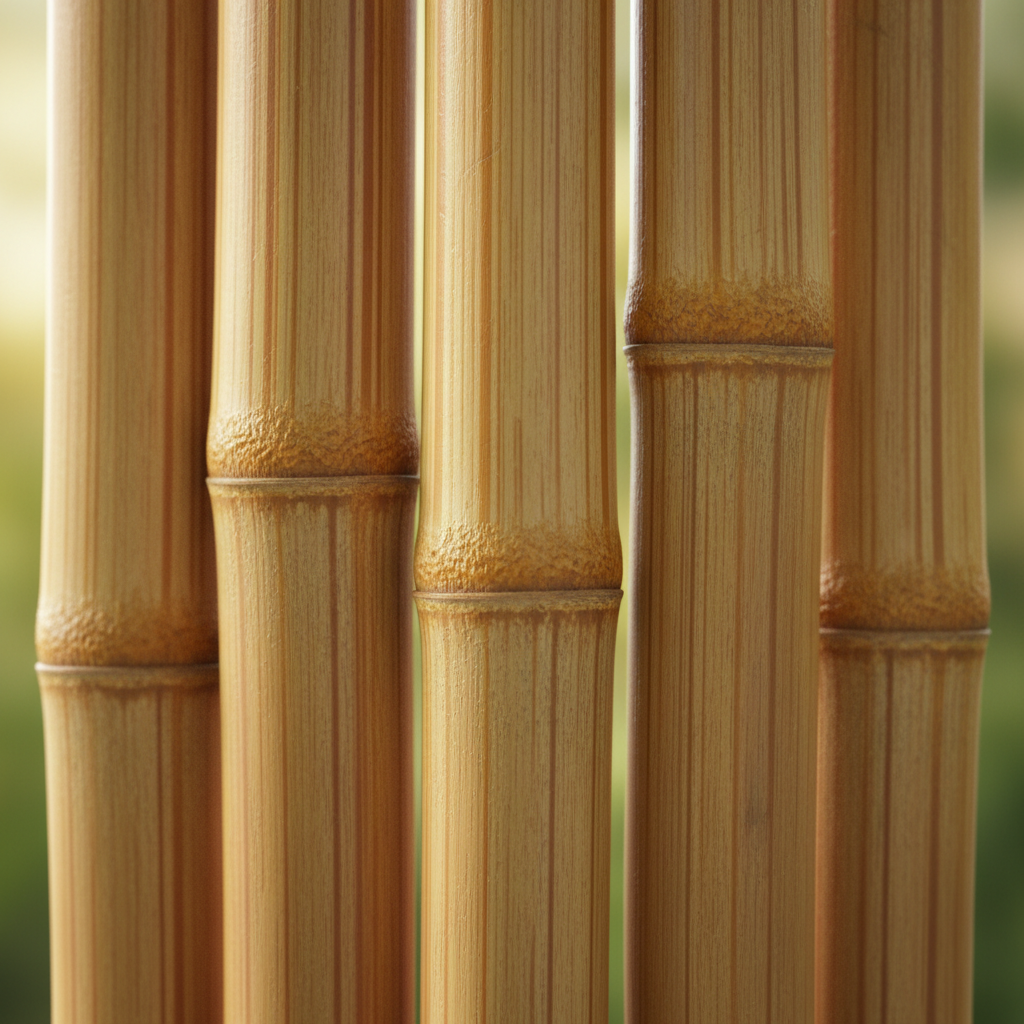
Raw bamboo harbours starch that invites borer insects and fungal rot within months. Our culms are immersed in a boron salt solution for 48 hours using the Boucherie displacement method — pressure-feeding preservative through the intact vascular system. After treatment, culms cure in covered open-air racks for 8–12 weeks, monitored weekly for moisture content below 12%.
Boron treatment delivers 20+ year service life even in tropical humidity. We're the only fabricator in the region using full-culm immersion rather than end-injection.
Where engineering meets ancient craft
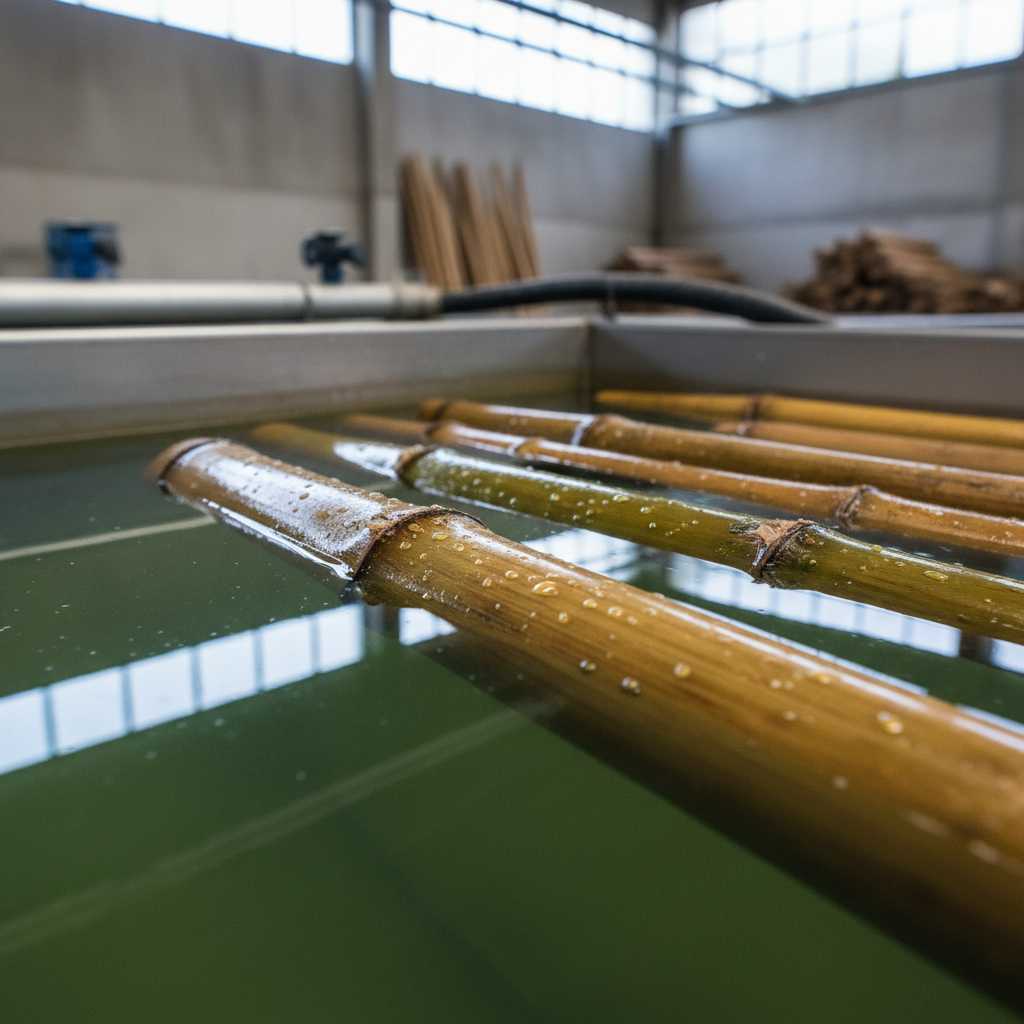
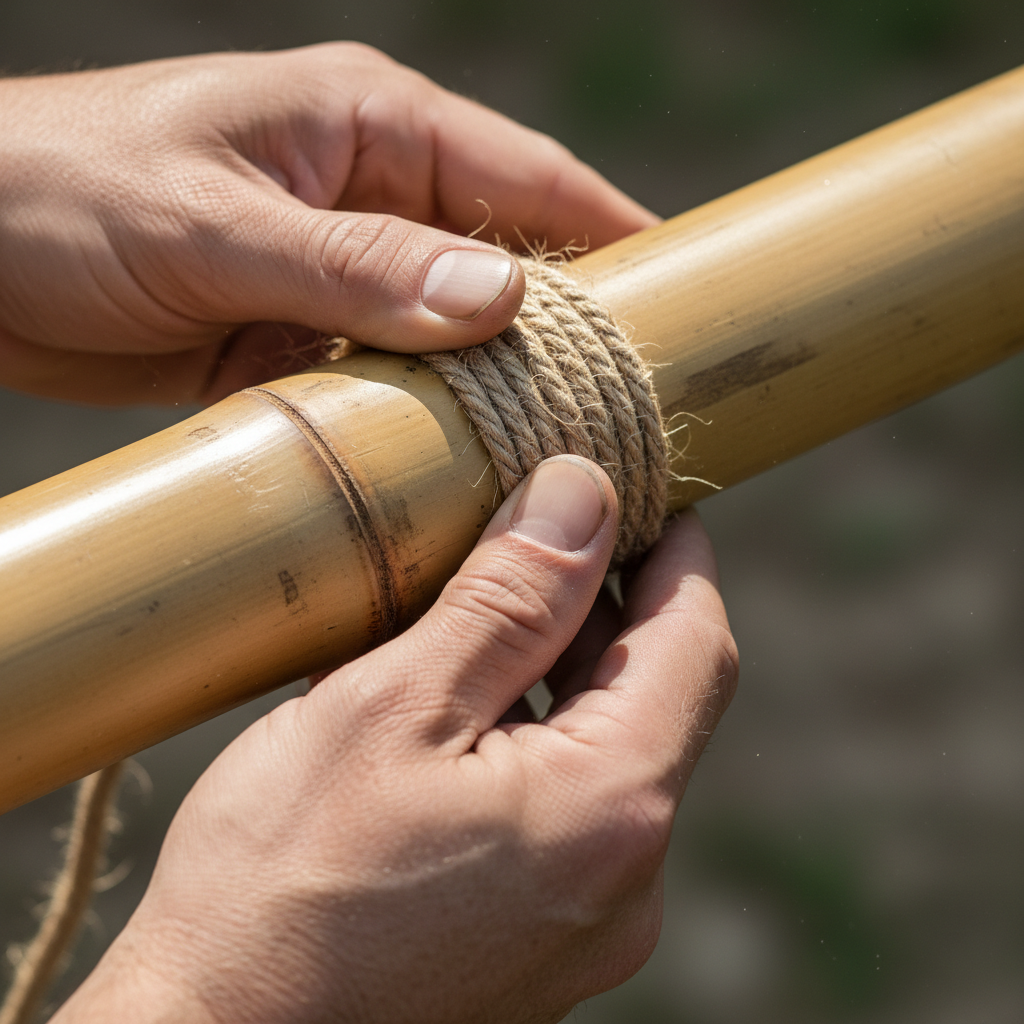
Bamboo cannot be nailed — its hollow structure splits under point loads. Our joints combine traditional lashing with stainless hardware concealed inside the culm. Fish-mouth cuts create bearing surfaces for rafter intersections; through-bolts with neoprene washers accommodate seasonal movement. Every joint is tested to 3× its design load before leaving the bench.
We use three jointing systems depending on load path: lashed bamboo pin, internal threaded rod, and external stainless bracket. The choice is structural, not aesthetic.
The structure earns its place in the landscape
Completed frames are finished with a penetrating tung oil and UV-inhibitor blend that feeds the fibre without film-forming — no peeling, no recoating every season. Installation teams work with the landscape, not against it: footings are minimal, fasteners are concealed, and every structure is levelled to within 2mm over its full span. The result looks as though it grew there.
Annual maintenance takes 45 minutes: a light sand and a single coat of oil. Our oldest installed structure is 22 years old and still carries its original load specification.
Built Work
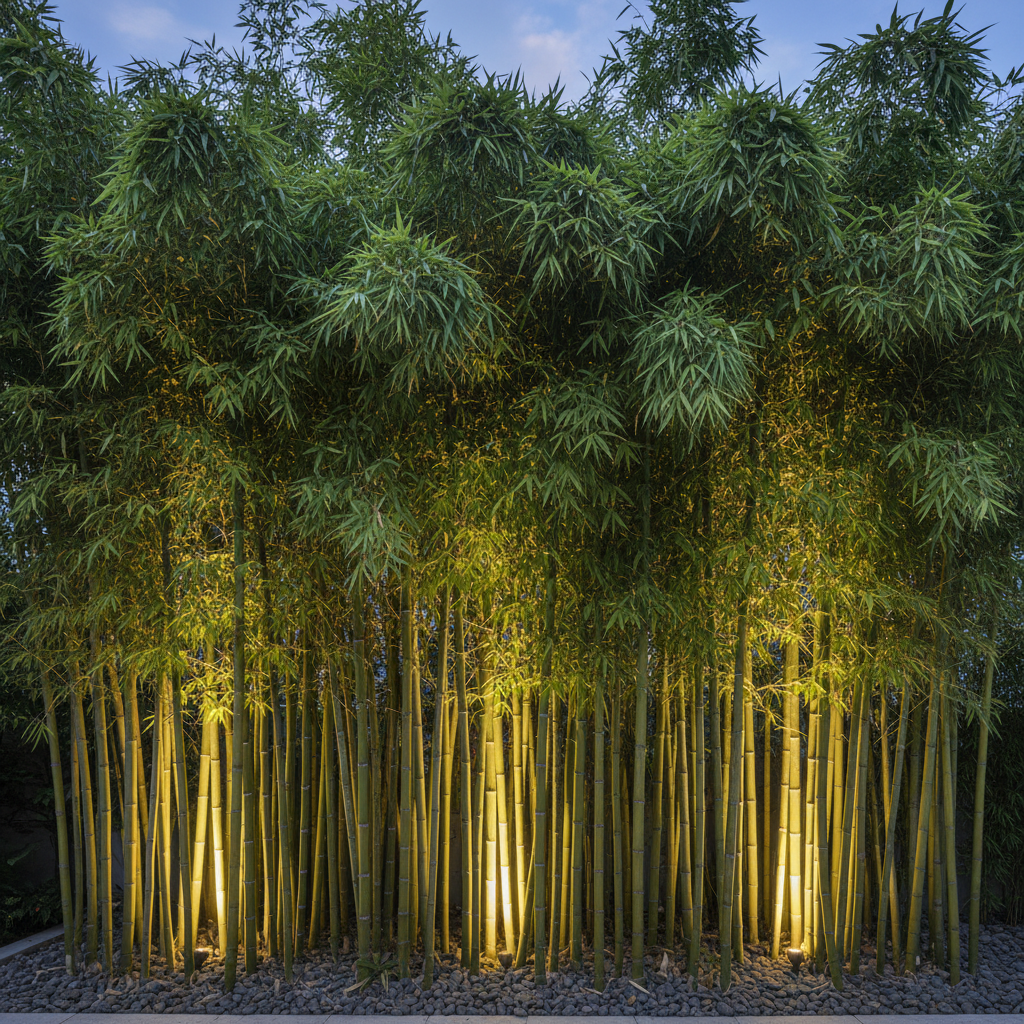
Pergolas, screens, pavilions, and furniture across Southeast Asia — each built to a specific site, climate, and client.
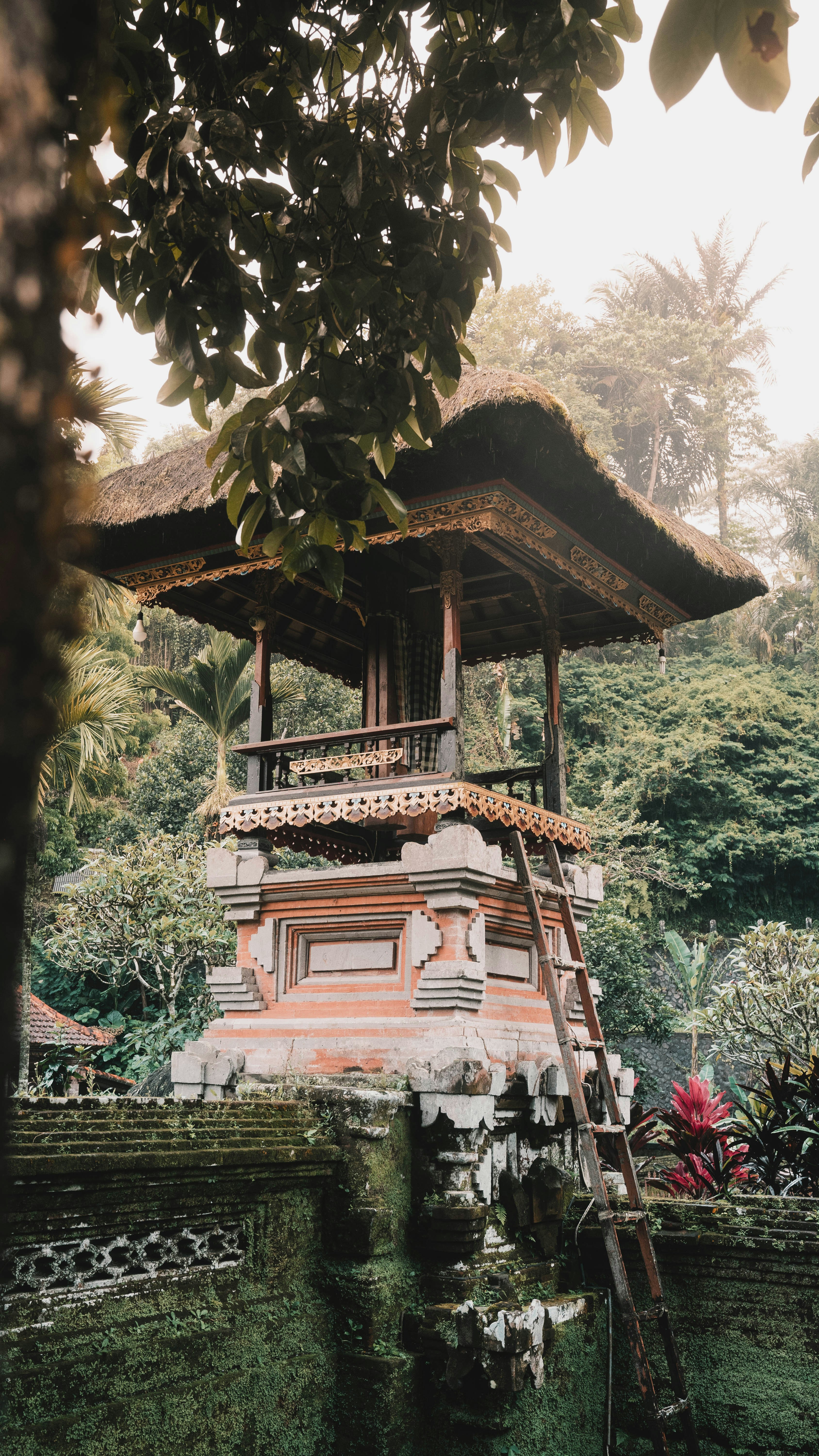
Pavilion
Bali, Indonesia · 180 m²
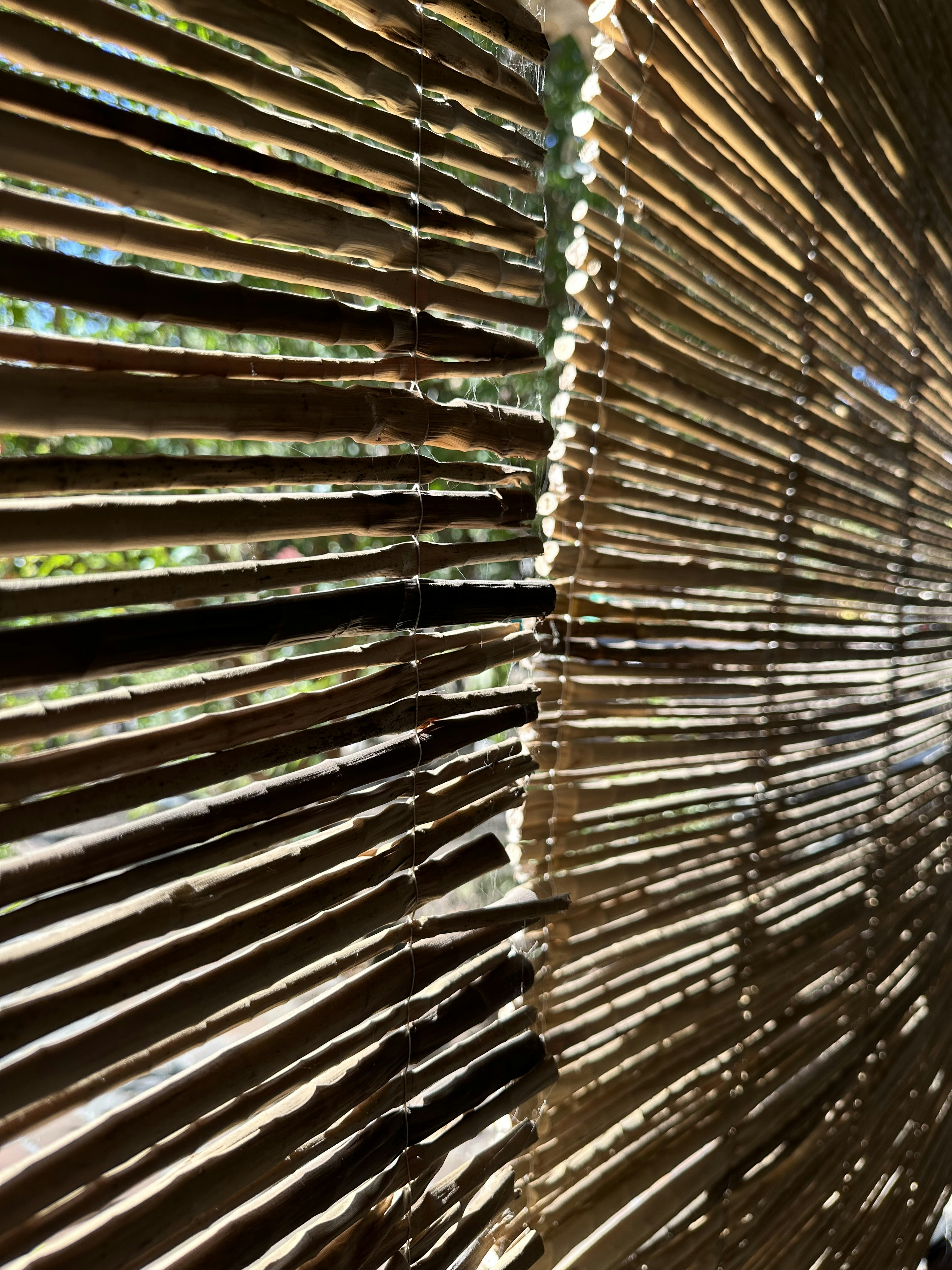
Privacy Screen
Bangkok, Thailand · 42 m²
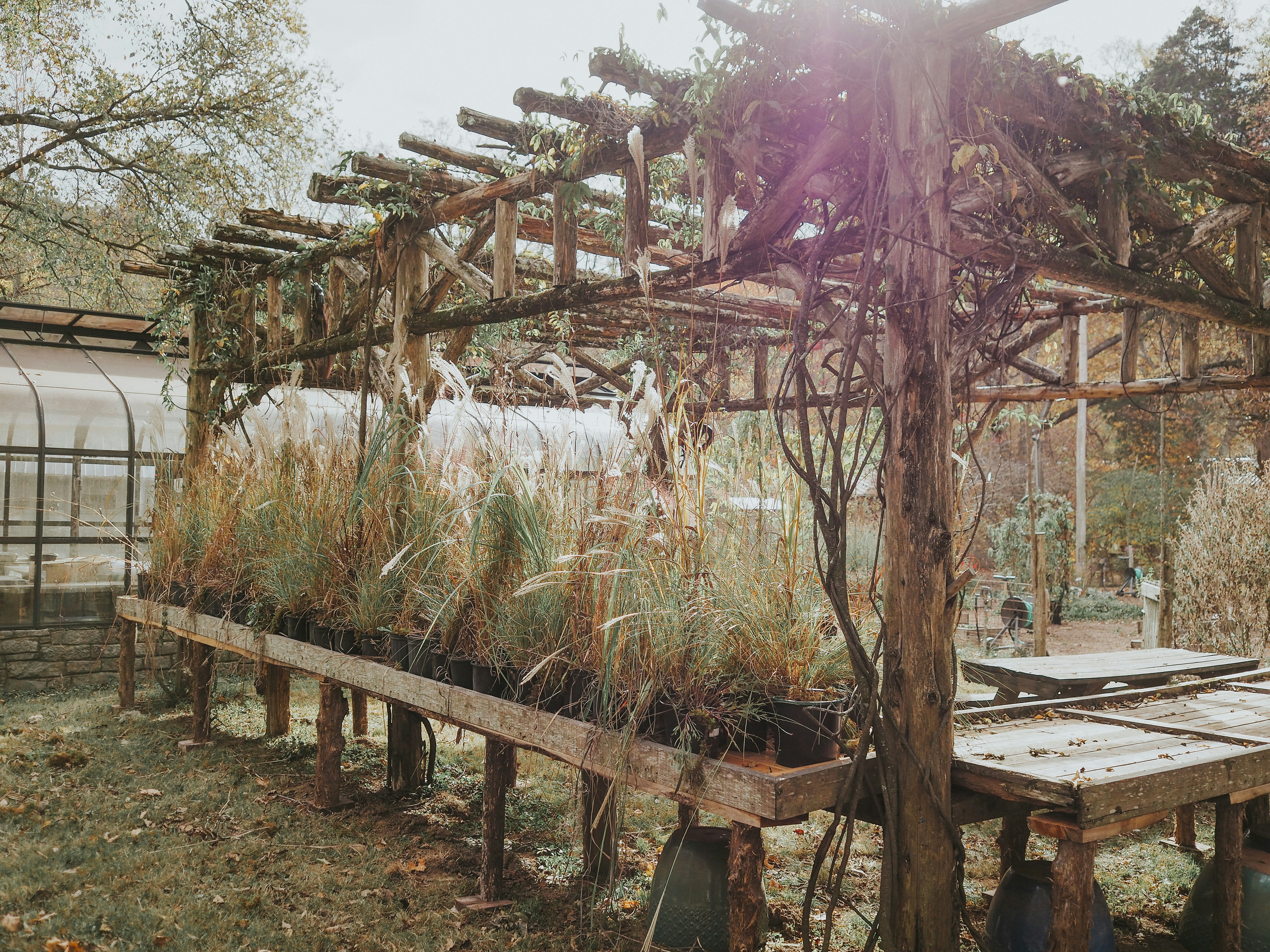
Pergola
Singapore · 65 m²
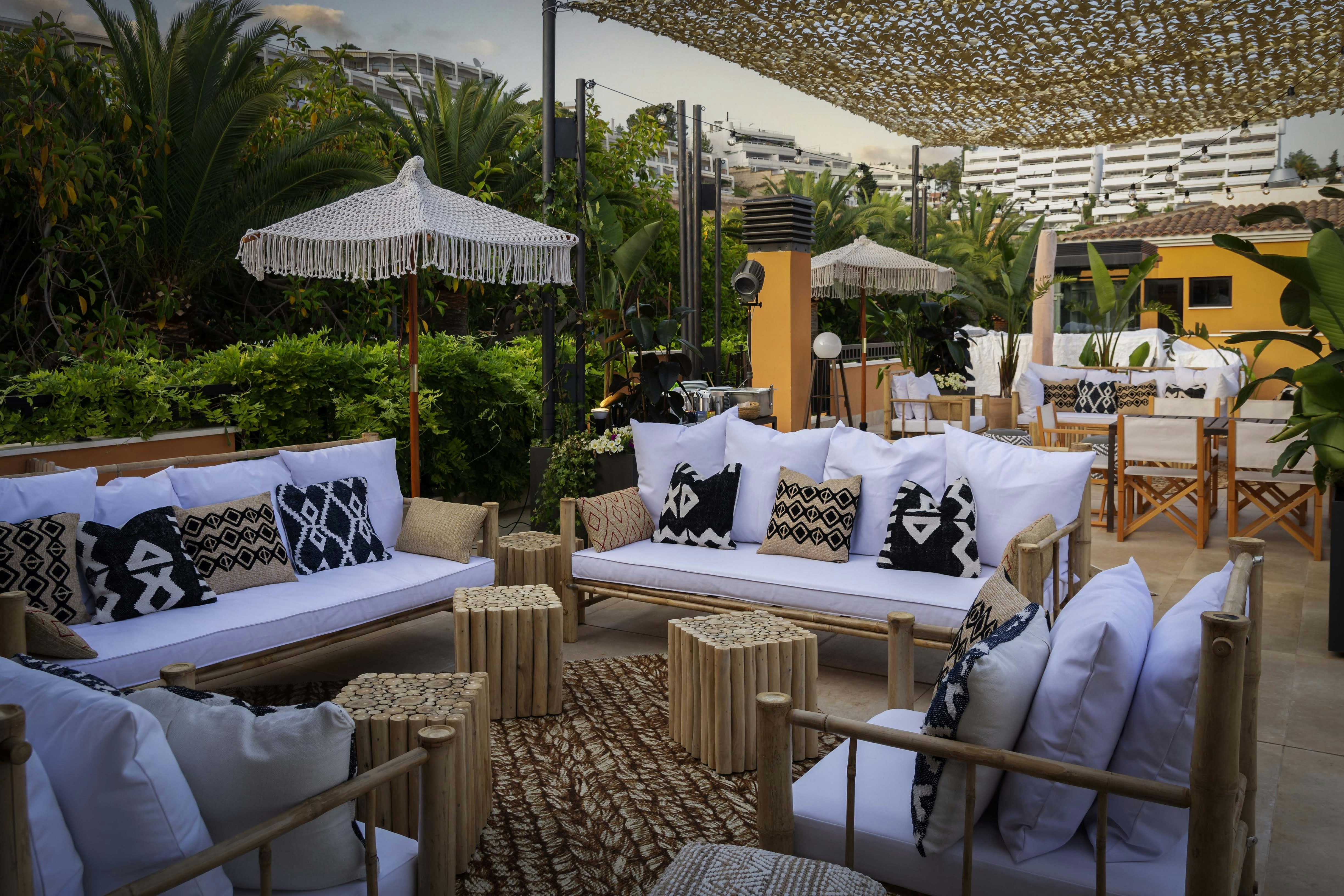
Furniture
Chiang Mai, Thailand · Custom set
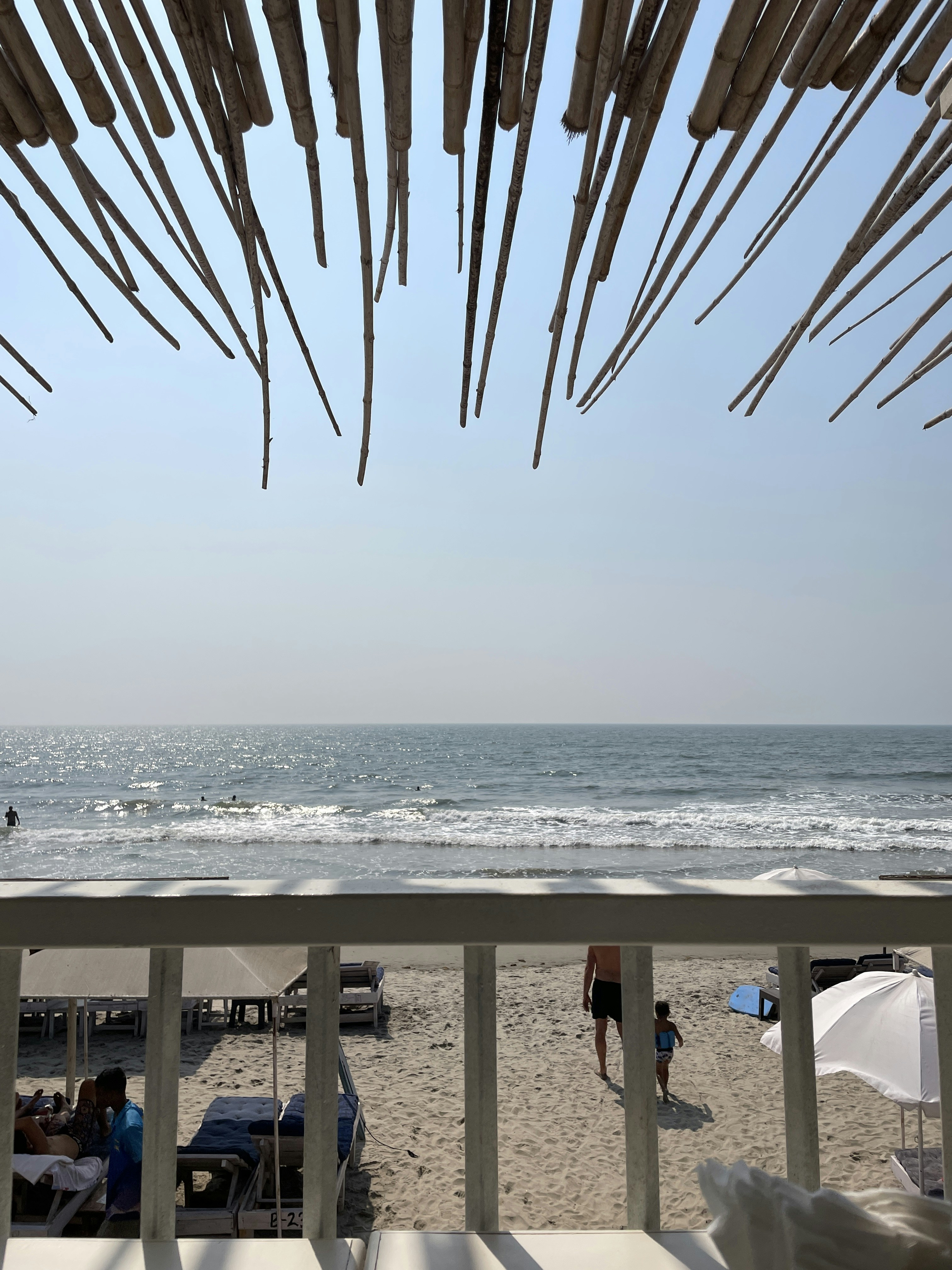
Custom Structure
Phuket, Thailand · 220 m²
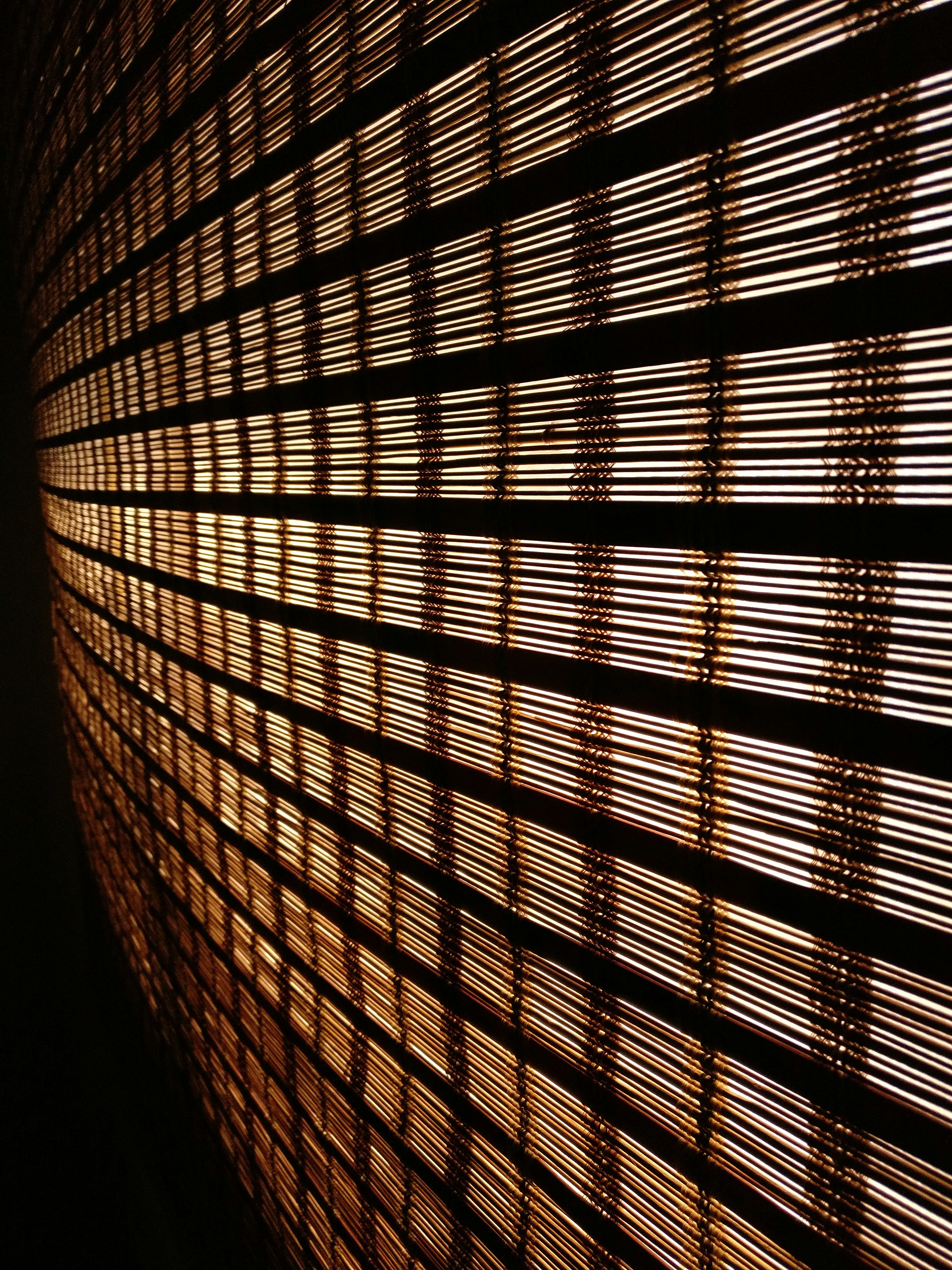
Privacy Screen
Penang, Malaysia · 28 m²
140+
Structures completed
22 yrs
Oldest installation still standing
8
Countries installed
100%
Boron-treated for longevity
Species Knowledge
Species selection determines lifespan, load capacity, and aesthetic character. Our guide maps four primary culms to climate zones, structural applications, and maintenance requirements — the reference your landscape architect needs before specifying.
Largest temperate bamboo. Exceptional structural strength.
Pergolas, heavy frames
The steel of bamboo. Used in Colombian earthquake-resistant housing.
Pavilions, load-bearing
Largest tropical species. Diameter up to 30cm.
Feature columns, screens
Most widely available. Ideal for furniture and decorative work.
Furniture, light screens
Free Resource
24 pages covering four primary species, climate zone mapping, structural load tables, and maintenance calendars. Used by landscape architects across Southeast Asia.
Start the Conversation
Thirty minutes with our fabrication lead. We'll assess your site, suggest species and jointing method, and give you a realistic scope before you commit to anything.